
 ComBlu has recently been working on a number of thought leadership engagements for clients in a variety of industries, including financial services, healthcare, insurance and banking. This is right up my alley as the chief media relations person at ComBlu, and it has been fun working with new media outlets and reconnecting with reporters and editors I had not had reason to contact recently.
As I reported in a recent post, social media has transformed the media relations discipline forever. However, getting back to basics – in the form of the original word of mouth or a good old fashioned conversation – remains crucial to success. With my two most recent campaigns, every single email and electronic message I sent went unanswered. Picking up the phone and having an actual conversation with a reporter was the key to breaking though and getting some placements.
What else is crucial to success? A well thought out and succinct pitch package to support the story you want the reporter to tell. As I described in a blog a while back, press releases are still valuable communications tools – when not overused. Legitimate news announcements still serve as tools for market education, and they still contribute to online discoverability via social networks and other channels. But, they should be newsworthy, succinct and free of clichés and other buzzwords.
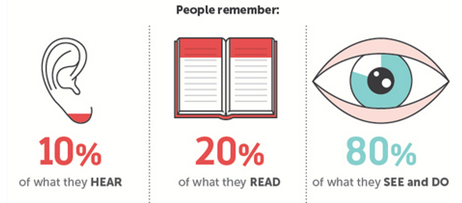 Despite the press release as an industry mainstay, the pitch package has definitely changed in today’s environment. Most important is the shift away from all text materials. A stat we cite regularly in explaining this to clients reads: “people remember 10% of what they hear, 20% of what they read, and 80% of what they see and do.” Visuals and hands-on interactions (if possible) really help bring a story to life and help reporters easily understand the issue at hand and find new angles to explore and tidbits to share.
Given this my standard pitch package includes:
- Succinct pitch letter that gets into the meat of the story quickly to draw reporters in immediately. Some of my colleagues in the industry feel that more than four paragraphs are too much. For me, that depends on the whether the story you are telling has legs and the outlet. If the topic can go in a number of directions, a longer pitch is fine. In that case, fleshing out the various subtopics makes sense.
- When pitching a broadcast outlet, a short and sweet pitch or media advisory is best. And, when working with a trade publication, a longer more detailed pitch or press release is fine. For most trade writers, them more detail, the better.
- Infographics and datagrams. All of our story packages today include an infographic or a couple of datagram snapshots. These provide the visuals that are so crucial today and give reporters visual content they can include with their article.
- Supporting POV and fact sheet. Fact sheets and deeper information on the topic or issue you are pitching can add context and the additional detail to help sell the story.
- Photo, videos and demos, etc. Any additional visual content and/or access to experience the product, tool, etc., that you are pitching are great supporting pieces.
A full developed story package is a key element of success in media relations. What else have you added to your story package that made a difference? I’d love to hear.
Principal
Engaging your customers is at the heart of successful marketing programs. For more than 20 years, Cheryl has been building and executing content and thought leadership strategies designed to do just that. She is excited to be applying that well-honed skill to a help companies like Microsoft, Cisco, 3M, Intel, Capital One and Barclaycard tap into their stakeholder communities and build sophisticated content strategies.
Her experience base spans a range of industries – from technology and financial services to retail, travel, consumer products and healthcare. Cheryl has served as an integral member of her clients’ marketing teams, providing counsel on marketing and brand strategy, thought leadership, media relations, product introductions, and event management.
Prior to joining ComBlu, Cheryl spent 10 years leading corporate marketing for large, complex organizations.