
While reading through my Facebook newsfeed recently, a post from WOMMA caught my eye. It said: “FILL IN THE BLANK: A skill or trait that all Community Managers should have is ____________.”
Having served as a community manager for several of my clients’ programs over the past few years, I was curious to see what traits WOMMA followers listed. Not surprising, Patience, Empathy, Listening and Adaptability were among the key attributes. A good start, but there’s more to the story.
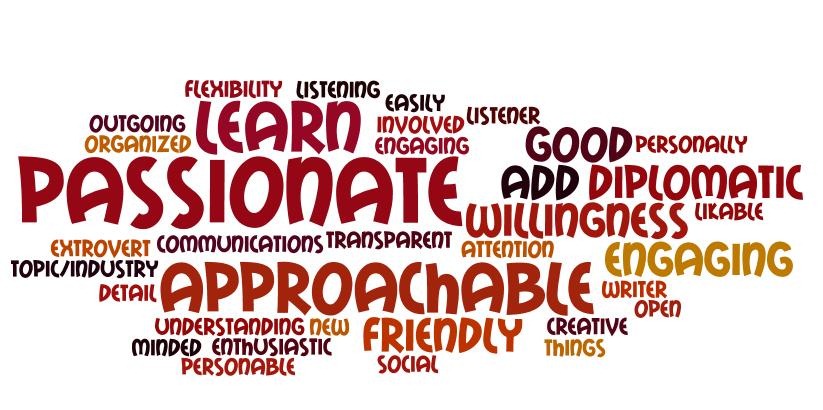
While the role of a community manager should continuously evolve, based on the purpose of the community and the makeup and needs of its members, there are several additional hallmarks of a successful community manager. Below are my Top Five.
1. Relationship Manager. Community managers serve as the main point of contact with community members. Their interactions impact whether members develop a positive or negative opinion of the brand. The community manager must be able to not only interact with members in an engaging way, but also know how to effectively handle complaints or criticism of the brand or program in a way that fosters a great relationship.
2. Content Creator/Curator. There are many touch points a community manager can use to effectively share relevant news and brand updates with members. Whether it is a quick email, weekly newsletters, blog posts, social content, webinars, welcome kits, program agreements, etc., community managers need to craft their message to fit multiple mediums and know which content to share with their members, when and how often.
3. Responsive. Community management is not a 9-5 gig. Community managers need to be available to their members when news breaks, products launch or a crisis occurs. And, these events could happen at any time. Staying ahead of the news, anticipating members’ questions and concerns, and being prepared to offer information and respond to questions is critical. For some communities, members prefer to engage more at night or on weekends. Great community managers understand — and synch with the natural rhythms of their membership.
4. Organized. When it comes to managing a community, everything is fast-paced and often many things are thrown at you at once. Being able to multi-task and stay calm and organized is key to being effective. Also, the ability to tap into technology tools that help you monitor conversations about the brand and respond quickly and appropriately in an organized manner is extremely important.
5. Performance Analyst. Each brand handles community analytics differently but they all need to quantify the value derived from the investment. The community manager needs to support this by being knowledgeable on what metrics define successful community engagement. So for example, if the goal of the community is to amplify brand messaging, then including trackable links upfront and using the right tools to quantify the network effect of a community members’ sharing on the back-end is essential. This gives the community manager ways to gauge which forms of engagement are working, which are not and based on that feedback, revise and enhance the program to optimize performance.
That’s my must have’s list of community manager traits. What would you add? I’d love to hear.
Principal
Engaging your customers is at the heart of successful marketing programs. For more than 20 years, Cheryl has been building and executing content and thought leadership strategies designed to do just that. She is excited to be applying that well-honed skill to a help companies like Microsoft, Cisco, 3M, Intel, Capital One and Barclaycard tap into their stakeholder communities and build sophisticated content strategies.
Her experience base spans a range of industries – from technology and financial services to retail, travel, consumer products and healthcare. Cheryl has served as an integral member of her clients’ marketing teams, providing counsel on marketing and brand strategy, thought leadership, media relations, product introductions, and event management.
Prior to joining ComBlu, Cheryl spent 10 years leading corporate marketing for large, complex organizations.